
Card game
Our Most-Played Game Fits in a PouchLove Letter
We've played Love Letter more than any other game, even in line for roller coasters. Why this tiny classic is always with us.
Board games that take 30 minutes or less, for a quick round before bedtime. Played and rated at our own family table.
We've played Love Letter more than any other game, even in line for roller coasters. Why this tiny classic is always with us.
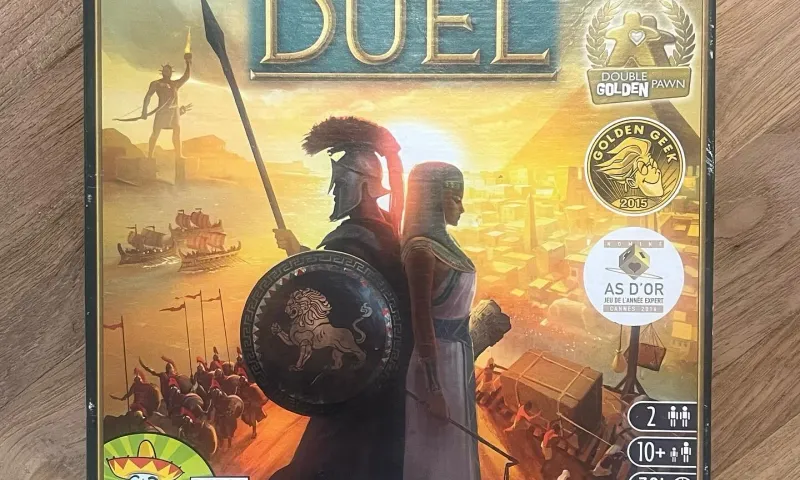
7 Wonders Duel packs a whole civilization into 30 minutes for two. Why it beats the big 7 Wonders for us, how it works with kids, and where it stings.

Hitster turns your phone into a DJ and your memory into a timeline. Why we love this music party game, what you need to play, and who it's for.
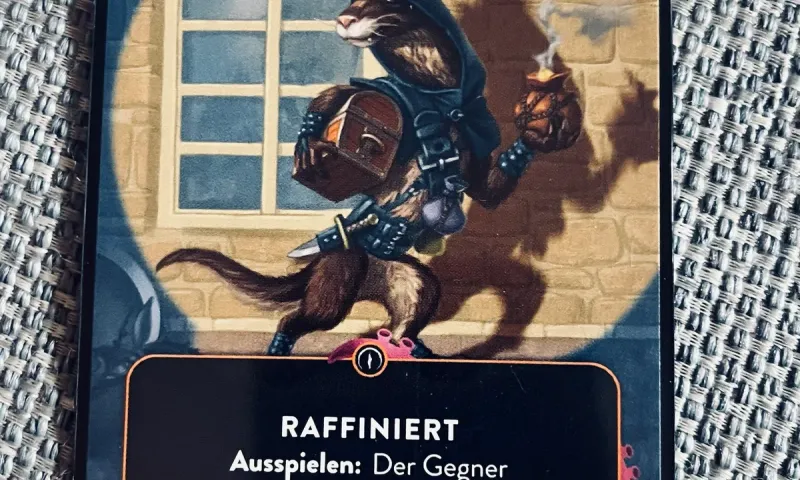
Our 10-year-old explains her favorite and least favorite Mindbug cards: why she loves sneaky creatures and can't stand the big wipe-out cards.
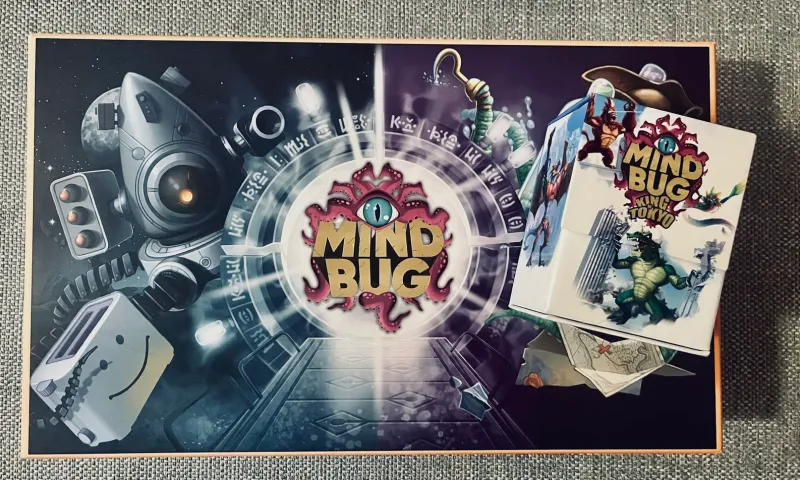
Mindbug First Contact, Beyond Evolution, Beyond Eternity or King of Tokyo? What sets the boxes apart, and which one we'd start with.
Machi Koro is accessible, looks lovely on the table and is full of dice luck. Why our older daughter loves this city-builder, and where it lacks depth.
Agent Avenue is a quick bluffing duel from the makers of Mindbug. Why it works so well for two, plays from age 6, and still doesn't quite match Mindbug.
Cockroach Poker is bluffing with bugs. Why it gets funnier as kids get older, sometimes tips over with little ones, and works best with three to five.
Coup is pure bluffing: two hidden cards, five roles, one lie after another. Why I love it, my wife hates it, and why it's not a kids' game.
Flip 7 takes two minutes to explain, and our youngest wins without help. Who this push-your-luck card game is for, and who should skip it.
Skull King was one of our first hobby games, and it works with 6-year-olds. Why this bidding trick-taking game keeps coming back to our table in waves.
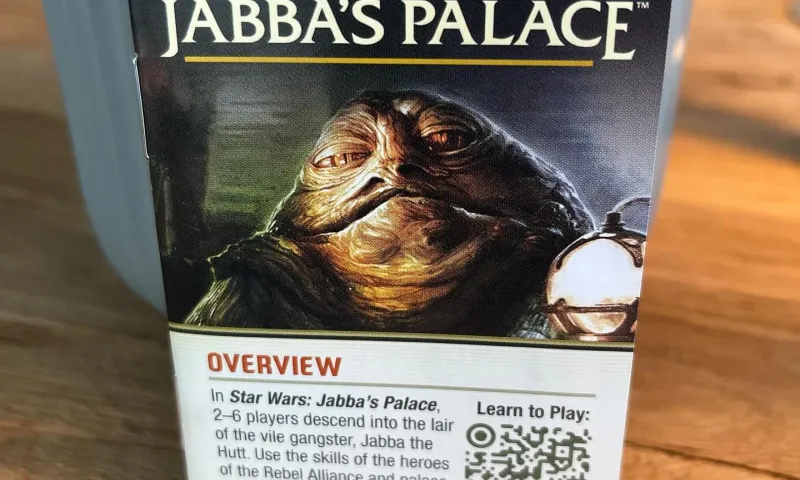
Jabba's Palace adds factions, new effects and shifting win conditions to the Love Letter formula. What the Star Wars version does differently.
Taco Cat Goat Cheese Pizza: five words, one pile, lots of chaos. Why our kids beat me at it, and which groups it really works for.
Tempel des Schreckens is the bluffing game we went looking for as a kid-friendly alternative to Coup. Why our older daughter plays it with her friends.
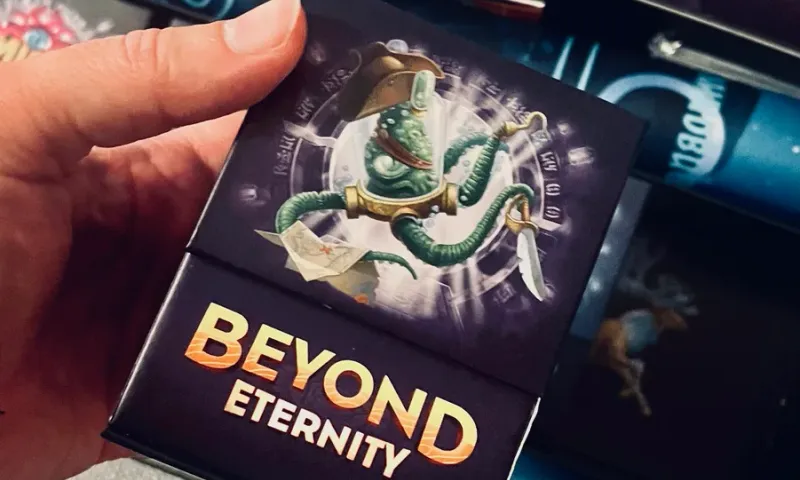
Beyond Eternity adds Boost and abilities that work from the discard pile. Why it's the most confrontational Mindbug box for us, and why it gets a 10/10.
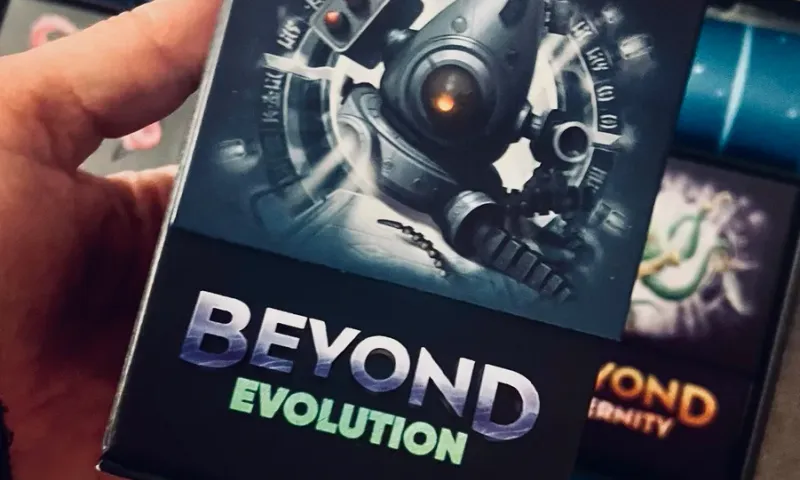
Beyond Evolution adds Actions and creatures that evolve in three stages. Why the constant trade-off works so well, and why the box gets a 10/10 from us.
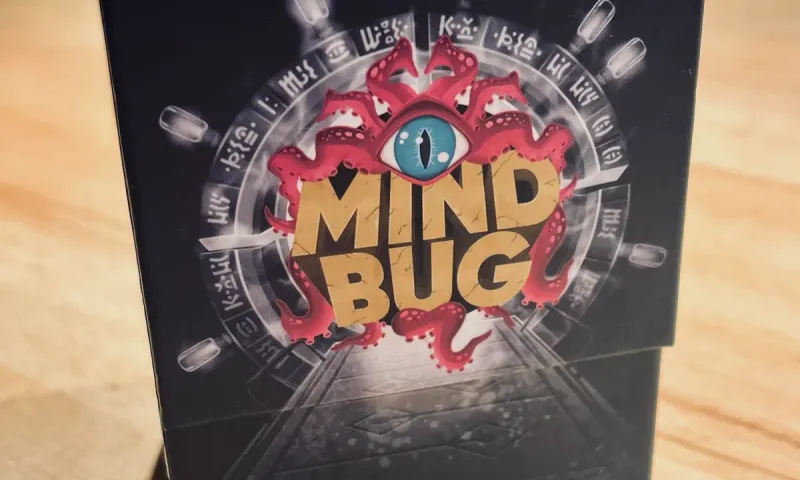
Mindbug: First Contact is the base set of the card duel: simpler, clearer, a little rawer. Why it's our pick to start with, and why it gets a 10/10.

Mindbug x King of Tokyo adds dice, energy and Power cards to the card duel. Why it isn't King of Tokyo, and why it still scores a 9/10 at our table.

7 Wonders (Second Edition) is a quick, beautiful drafting game for 3 to 7. We tried it because we love 7 Wonders Duel. Here's how they compare.
7 Wonders Duel packs a whole civilization into 30 minutes for two. Why it beats the big 7 Wonders for us, how it works with kids, and where it stings.

Azul: Stained Glass of Sintra is the prettiest Azul and simple enough for our 6-year-old. What we like, why broken glass hurts, and which Azul to pick.
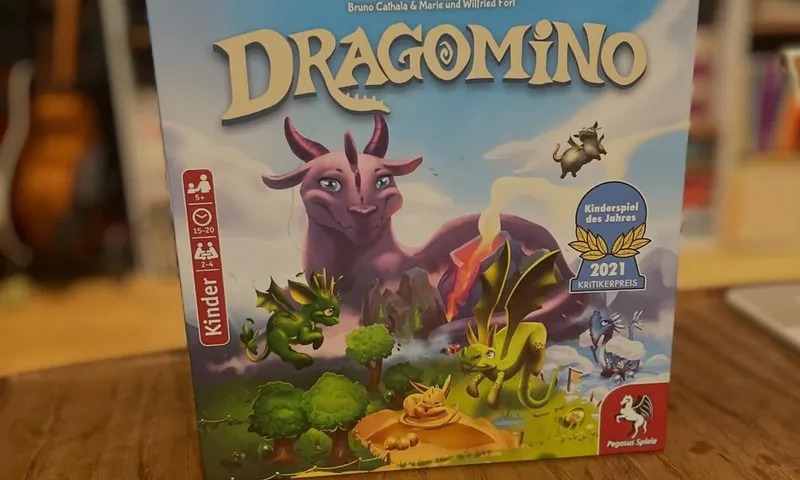
Dragomino is our 6-year-old's absolute favorite and a kids' game I genuinely enjoy. Why it works from age 4–5, and how you can quietly steer who wins.

Everdell Duo is faster, meaner and more direct than the original with two players. The components? Less great. Our honest verdict, plus what others say.
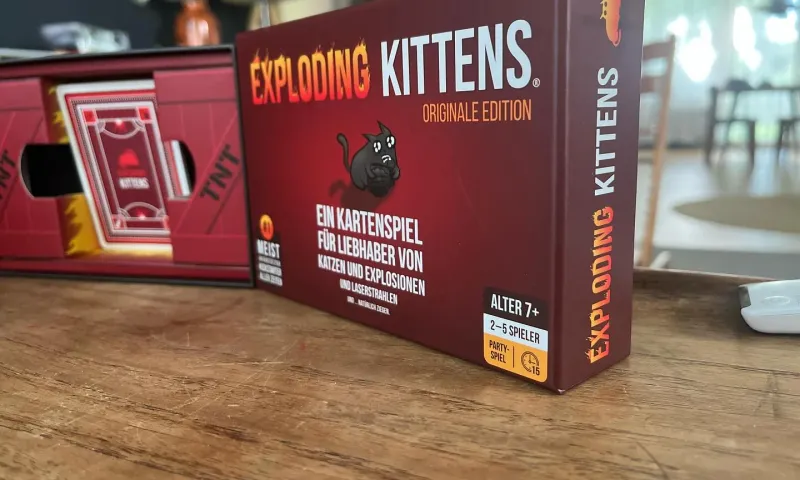
Exploding Kittens is a fast, silly card game about not drawing the wrong cat. Why it still works, where it bites, and how it plays with kids.

Galaxy Trucker has you grab junk tiles against the clock and fly the result into meteors. Our honest take on the second edition.

Geistertanz has a dancing ghost, a magic candle and a charming idea. In play, it gets repetitive fast. Our honest verdict on Megableu's kids' game.

Harmonies is a gorgeous, quick puzzle that feels like Azul meets Cascadia. Why we love it and why it still gathers dust on our shelf.
Hitster turns your phone into a DJ and your memory into a timeline. Why we love this music party game, what you need to play, and who it's for.
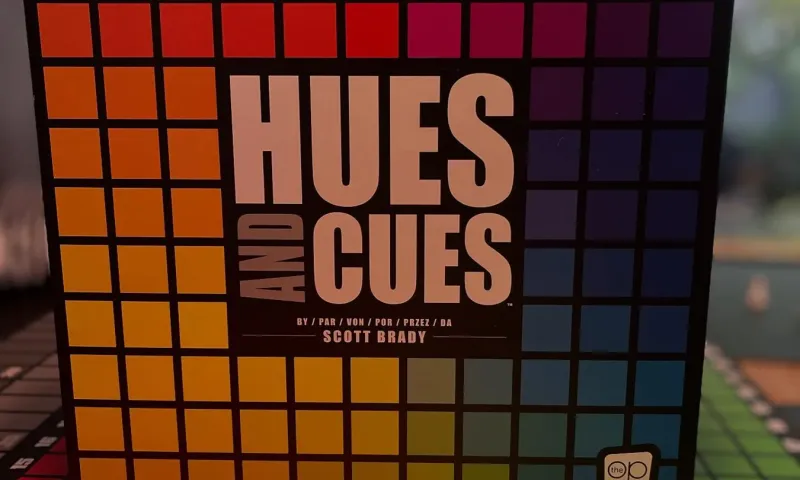
Hues and Cues asks you to describe a color in one or two words. Simple, surprisingly deep, maybe not forever. Our honest take and what others say.
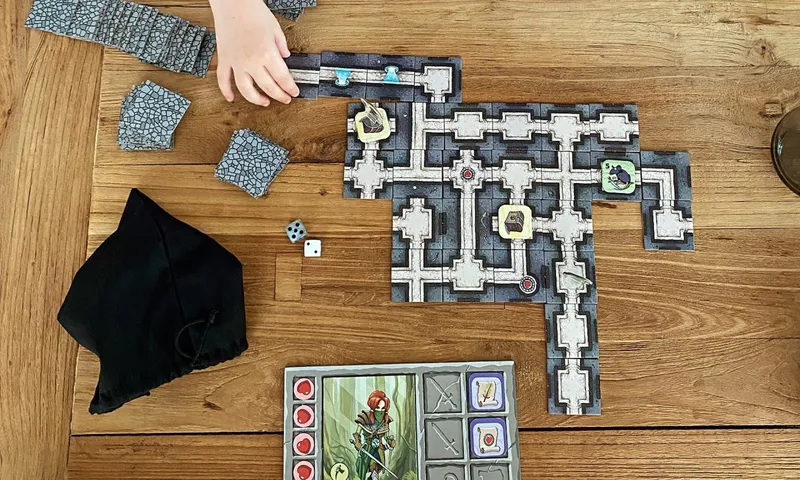
Karak was our youngest's first dungeon crawler at four. Why it's one of the best kids' games we know, why adults enjoy it too, and when kids outgrow it.
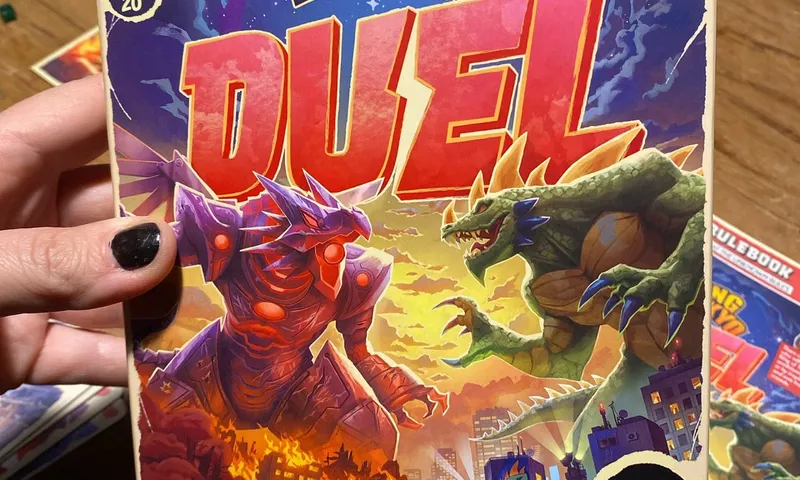
King of Tokyo: Duel turns the monster dice brawl into an intense two-player tug-of-war. Why we like it more than the original at two, and what to watch out for.

Duel for Middle-earth takes 7 Wonders Duel to Tolkien's world. Our first games after SPIEL in Essen, the map question, and how it compares to the original.
We've played Love Letter more than any other game, even in line for roller coasters. Why this tiny classic is always with us.

Prey Another Day, called Schnitzeljagd in German, is a 20-minute bluffing game of neon forest animals. Our verdict and how it plays.

SCOUT is easy to learn, surprisingly deep and small enough for any summer bag. Our first impressions, how it plays, and where it stings.

Sky Team is a 20-minute co-op dice game for exactly two. It didn't wow us on the first flight, and it still keeps coming back to our table.

Wingspan Asia's Duet mode makes two-player Wingspan a real duel. Why my daughter prefers it, why I'm torn, and why the small deck shows its limits fast.
One email, now and then: what hit our table, what flopped, and what the kids actually wanted to play again.